
World Sleep Day 2026 Tips for Restorative Nights and Renewed Days
World Sleep Day falls on Friday, 13 March 2026, and this year's theme – Sleep Well, Live Better – captures something profoundly simple yet often overlooked. Quality sleep forms the foundation of a vibrant, productive life. It is not merely downtime or a luxury to be sacrificed for late-night scrolling or extra work hours. When we prioritise rest, we sharpen our focus, bolster our mood, strengthen our immune system, and even enhance our physical recovery. Poor sleep, by contrast, creeps into every corner of daily existence: foggy thinking in meetings, irritability with loved ones, weakened resilience against stress, and a nagging sense of exhaustion that no amount of coffee can fully dispel.
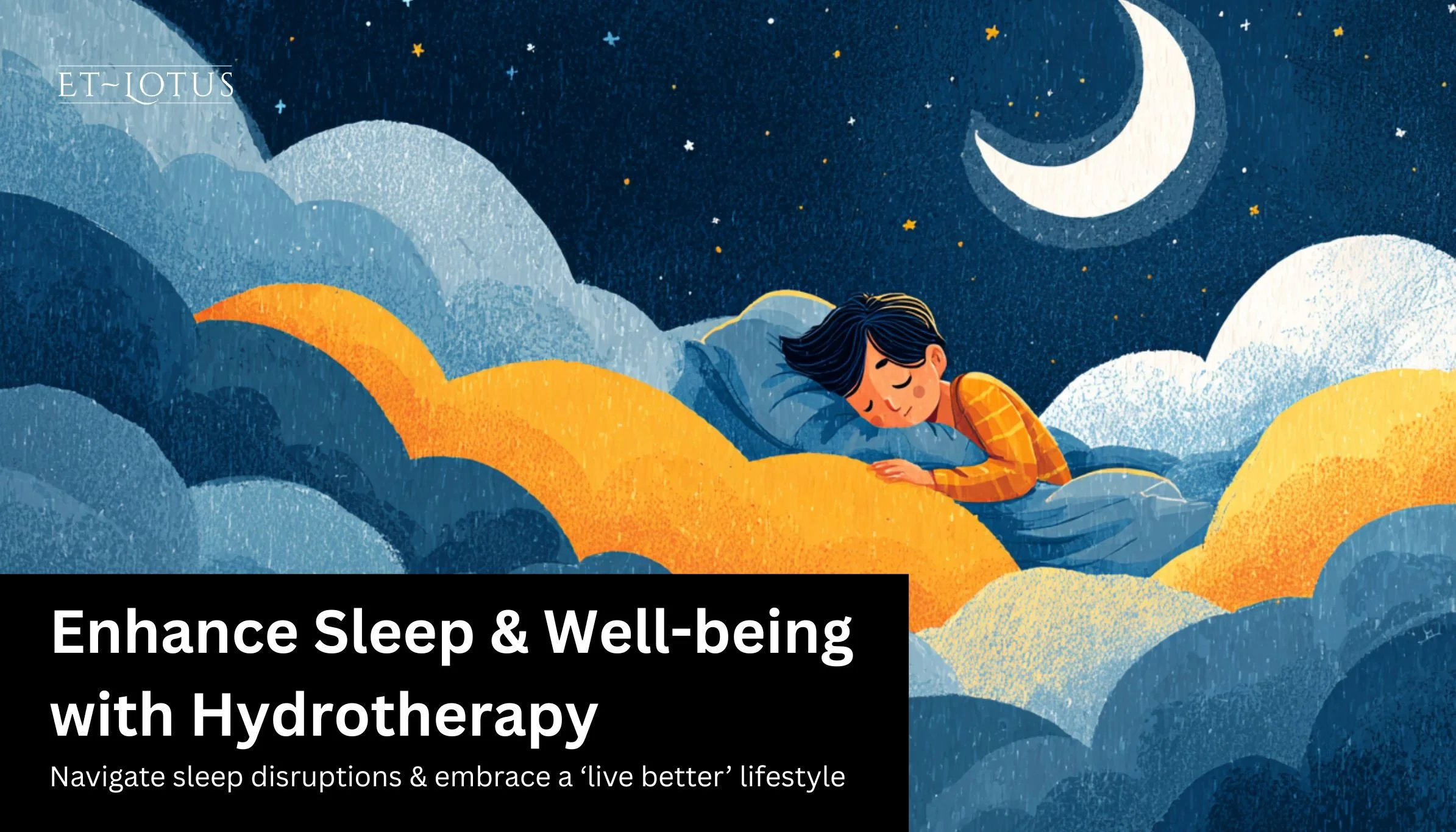
The World Sleep Society organises this annual event to raise awareness of sleep health, and the 2026 message urges us to view rest as essential – on par with balanced nutrition and regular movement. In a world that glorifies busyness, reclaiming sleep becomes an act of quiet rebellion. It promises not just more hours in bed, but better quality of life overall. So, as spring edges closer and daylight stretches, why not use this moment to reset your nights?
Why Sleep Matters More Than Ever
Sleep regulates nearly every system in the body. During deep stages, the brain clears metabolic waste, consolidates memories, and processes emotions. Hormones balance – growth hormone surges for tissue repair, cortisol dips to allow recovery. The immune system ramps up production of protective cells. Skimp on rest, and these processes falter. Studies consistently link chronic short sleep (less than seven hours nightly for most adults) to higher risks of obesity, diabetes, cardiovascular issues, anxiety, and depression.
Yet many of us sabotage sleep without realising it. The average adult now contends with blue light from devices that suppress melatonin, irregular schedules from shift work or parenting, and ambient noise or light pollution in urban areas. Daylight saving time transitions (often around this time of year) further disrupt circadian rhythms, leaving people groggy for days. The good news? Small, consistent changes yield noticeable improvements – often within a week or two.
Building a Solid Sleep Hygiene Foundation
Start with the basics. Consistency reigns supreme. Aim to wake at roughly the same time every morning, even on weekends. This anchors your internal clock. Most adults need seven to nine hours, so count backwards from your wake-up time to set a realistic bedtime. If you rise at 6:30 a.m. for work, target lights out by 10:30 p.m. or earlier.
Create a bedroom sanctuary. Keep it cool (around 16–18°C feels ideal for most), dark, and quiet. Blackout curtains block streetlights. Earplugs or a white-noise machine muffle disturbances. Reserve the bed for sleep and intimacy only – no laptops, no midnight doom-scrolling. Over time, this conditions your brain to associate the mattress with rest rather than stimulation.
Limit stimulants wisely. Caffeine has a half-life of about five to six hours, so that 3 p.m. flat white can still linger at bedtime. Alcohol might make you drowsy initially, but it fragments sleep later in the night, reducing deep and REM stages. Heavy meals close to bedtime force digestion when the body wants to wind down. Opt instead for a light snack if hunger strikes – perhaps a banana with almond butter or a small bowl of cherries, both containing natural melatonin precursors.
Crafting an Effective Bedtime Routine
The hour before sleep holds immense power. Think of it as a gentle descent rather than an abrupt drop. Dim lights gradually to signal melatonin release. Avoid intense exercise or heated arguments in the final 90 minutes. Instead, lean into calming activities.
Reading works wonders for many – a physical book, not an e-reader with backlight. Fiction often outperforms non-fiction here, as it pulls the mind away from daily worries without overstimulating it. Gentle stretching or yoga poses (child's pose, legs-up-the-wall) release physical tension accumulated during the day. Breathing exercises – such as 4-7-8 (inhale for four, hold for seven, exhale for eight) – activate the parasympathetic nervous system, slowing heart rate and easing anxiety.
Journaling can offload mental clutter. Spend five minutes jotting down tomorrow's priorities or three things that went well today. This simple practice prevents the mind from racing when the head hits the pillow. If worries persist, try a "worry dump" – write them out and close the notebook, symbolically setting them aside until morning.
The Power of a Pre-Bedtime Soak
One particularly effective ritual involves warm water immersion. A soothing bath or soak raises core body temperature temporarily. When you step out, that temperature drops – mimicking the natural circadian dip that occurs in the evening and signals sleep readiness. Research shows this can shorten the time it takes to fall asleep (sleep latency) and boost sleep efficiency.
Hydrotherapy also melts away muscle tension and lowers stress hormones like cortisol. The buoyancy and warmth calm the nervous system, quiet racing thoughts, and create a meditative pause. Add Epsom salts for magnesium absorption (which supports relaxation) or a few drops of lavender essential oil for its proven calming properties. Spend 15–20 minutes unwinding. Emerge feeling lighter, then slip into cool sheets. The contrast enhances the relaxation response.
At ET-Lotus, our custom baths offer precisely this kind of tranquil escape. The controlled environment, gentle hydrotherapy jets, and serene atmosphere make it easy to build this ritual into your evening. Many guests report drifting off more quickly and waking more refreshed after incorporating a session into their wind-down. It becomes more than pampering – it transforms into a practical tool for better rest and, by extension, a fuller life.
Living the "Sleep Well, Live Better" Mantra
Seasonal shifts bring challenges. Longer evenings tempt late nights, while pollen or temperature swings can interrupt rest. Combat spring allergies with a saline nasal rinse before bed to ease breathing. If daylight saving looms, adjust gradually – shift bedtime 15 minutes earlier each night in the preceding week.
Embracing better sleep ripples outward. You tackle tasks with clearer focus. Patience grows. Creativity flows. Physical energy sustains workouts or playtime with children. Emotional resilience strengthens against life's inevitable pressures.
This World Sleep Day, commit to one small change. Perhaps dim the lights earlier tonight. Or schedule that calming soak. Track how you feel after a week – more alert mornings, steadier moods, deeper satisfaction. Sleep well, and watch life improve.